


Overcome Breastfeeding Challenges with Expert Home Support
Personalized guidance and support for your breastfeeding journey
Benefits of Virtual Lactation Support with Leva

Convenience:
Get support from the comfort of your home.
Flexible scheduling to fit your busy life.

Expert Guidance:
Consult with certified lactation consultants.
Evidence-based advice tailored to your needs.

Personalized Advice:
One-on-one sessions focused on your unique situation.
Continuous support through follow-up consultations.
Customer Feedback

"Breastfeeding has been going great since our initial consult. You were great! My baby is surpassing weight expectations for his age. Thank you for helping me figure out how to get him to take a bottle!" – Courtney

"Mila has gained weight and is doing very well! And breastfeeding is going well. I’ve started pumping more which really gives me a break because then my husband can feed her sometimes and I can rest. Thanks again for your help!" – Tanya

“I cannot speak highly enough of the help my wife and I got from Laura at Leva. We were losing hope… Our little girl wasn't doing well eating and we were scared. Laura was instrumental in getting our baby the help she needed. Laura is an angel. If you are in need of a lactation consultant, look no further.” - Timothy
Peace of Mind
At Leva, we understand the importance of addressing your concerns promptly with professional help. Our virtual lactation support ensures you receive the best care for you and your baby, right from the comfort of your home.
Take the next step in your breastfeeding journey with confidence. Schedule a consultation today and experience the convenience, expert guidance, and personalized support that only Leva can provide.
Recent articles about Breastfeeding and Lactation
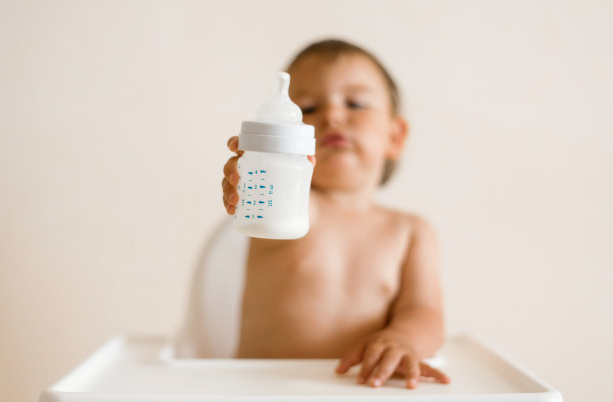
Learn how to safely reheat breast milk without compromising its nutritional value. Discover expert guidelines on how many times to reheat, best practices, and when to avoid reheating altogether. Ensure your baby receives the optimal benefits of your breast milk.

Breastfeeding is a wonderful and natural way to nourish and bond with your newborn baby. As a breastfeeding mother, it is important to understand that your body requires additional calories to produce an adequate milk supply and maintain your own health. Proper nutrition and meeting your caloric needs are vital for the successful breastfeeding journey.

Did you know that breast size is not directly proportional to milk production? What really matters is the glandular tissue, milk ducts, and alveoli that form after conception.
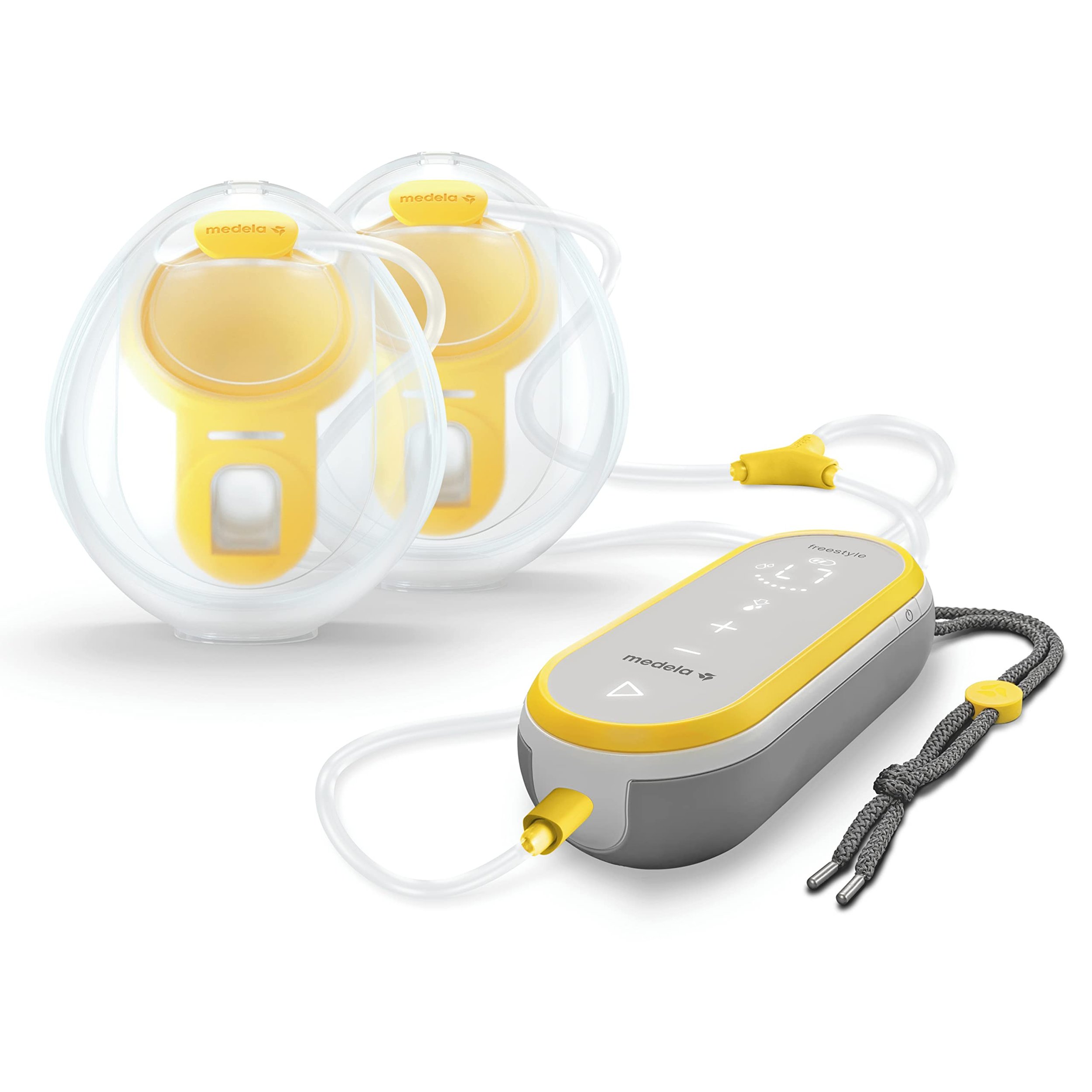
Hands-Free Breast Pumps: A Guide to the Best Options
There are many different hands-free breast pumps on the market, so it can be tough to decide which one is right for you. This article provides a guide to some of the most popular options, including the Willow, Elvie, Baby Buddha, MomCozy M5, and Medela Freestyle Hands-Free. When choosing a hands-free breast pump, it's important to consider your needs and budget. If you're looking for a discreet pump that you can use in public, the Elvie or Willow are great options. If you need a powerful pump that can help you pump a lot of milk at once, the Baby Buddha is a great choice. And if you're on a tight budget, the MomCozy M5 is a great option. No matter which hands-free breast pump you choose, make sure to do your research and read reviews before you make a purchase.
Best Breast Pumps for New Moms: A Comparison
There are many different breast pumps on the market, and it can be tough to decide which one is right for you. This article compares five of the most popular pumps, including the Medela Pump In Style, Spectra S2 Plus, Motif Luna, Evenflo Advanced Double Electric Breast Pumps, and Lansinoh Smartpump 2.0. We look at factors such as price, features, ease of use, and customer reviews to help you make the best decision for your needs.
Read on to learn more about the best breast pumps for new moms!

Plugged ducts and mastitis are prevalent breastfeeding conditions affecting up to 20% of women. These conditions cause breast pain and discomfort, impacting long-term breastfeeding goals. Effective management and treatment of these conditions are essential to minimize pain and discomfort and maintain breastfeeding.

Breastfeeding can be as challenging as it is beneficial for mother and child, particularly in the first few weeks. One of the greatest challenges that a breastfeeding mother can face is engorgement. Most breastfeeding mothers will have experienced engorgement at some stage in their breastfeeding journeys.

Previously, mastitis was always associated with a bacterial infection. However, science has taught us that it can occur because of several factors, including ductal narrowing, inflammation, edema, disruption of the microorganisms in the milk, and bacteria. Mastitis often occurs in the first three weeks after childbirth, but may occur at any stage of lactation.
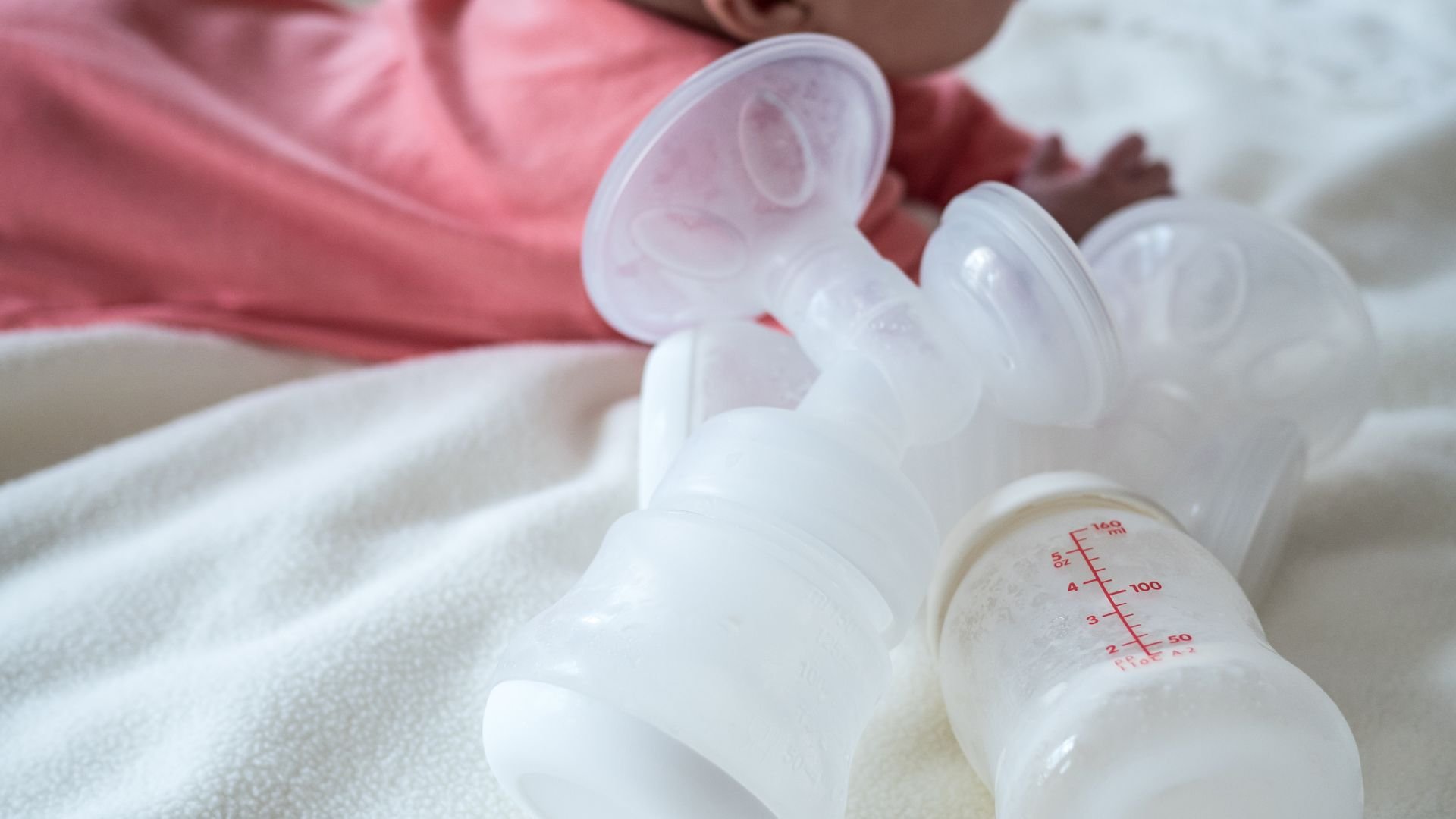
The life of any breastfeeding mom usually involves pumping at some point, whether creating a freezer stash for emergencies, providing milk when the baby is not with her, or simply so other family members can take on some feedings by bottle. This topic can feel confusing and complicated, so we have broken down some of the most common questions that arise.

Nursing strikes, introducing solids, and spacing out feedings can all be tricky when nursing your baby. In addition, as they grow, the schedule you were accustomed to is suddenly different. So, when do you start eliminating feeds?

It’s most breastfeeding moms’ goal to be able to provide all the nourishment their little one needs from latching at the breast alone, but like many things in life, the ideal plan isn’t what always comes to fruition. Some moms that have been around the breastfeeding block before are familiar with the term “triple feeding,” and most let out groans of displeasure when they hear it. It’s no secret that adding extra steps to the feeding routine can be a monumental amount of work. So what is supplementing anyway, and how can it be used to your benefit?

It’s no secret that most moms say that the actual act of breastfeeding is much more challenging than they originally anticipated. According to the CDC, 83% of parents intend to breastfeed their babies when they are born, but only 24% of mothers manage to exclusively breastfeed their babies by the six-month mark.
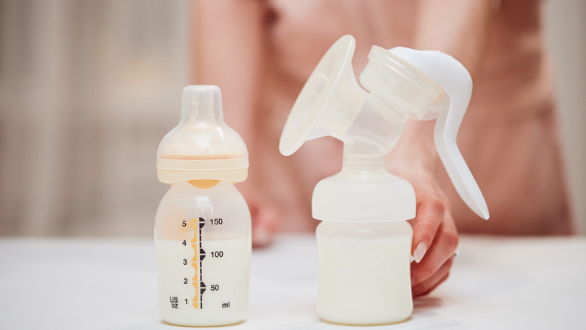
Pumping is a part of pretty much every breastfeeding mom's routine, whether that occurs on a daily basis at work, to boost supply, or just to create an emergency stockpile for the freezer. Since our schedules are already busy enough, every mom hopes to be as effective as possible with pumping efforts to get the most bang for her buck! So what are the things we can do to get the most milk volume when pumping?

As a mother, this exciting and busy time of the year can be a bit anxiety-evoking or worrisome as we gather with family and friends. Often this means that we need set boundaries for our children, ensure their safety, and remind them not to upset Aunt Jo. These extra chores all add to our already-full plates.
Vanessa’s vision has materialized in the development of the Leva App. One of the most well-rounded and inclusive baby apps on the market to date, the app:
Tracks breastfeeding, including which side the mother is feeding from and how long the feeding session lasts.
Tracks pumping sessions and bottle feedings.
Tracks diaper counts, including wet and dirty diapers, and consistency and color of the stool to give moms an idea of whether their baby is feeding well.
Has a milestone tracker. It provides information on what milestones babies should reach and at what age (according to the CDC), and provides advice on what to do if their baby is not achieving the milestones.
Has over 200+ high-quality, well-researched, and science-backed articles written by lactation consultants, pediatricians, doctors, physical therapists, psychologists, and career coaches.
Provides access to real one-on-one help with live consultants and coaches.
Provides on-demand video content developed by experts.
Recent articles about Formula Feeding

Recently, the Academy of Breastfeeding Medicine released its protocol for “Managing Nighttime Breastfeeding in Young Infants”. Here at Leva, we are firm believers in supporting mothers, and evidence-based practice. So, what does this lengthy protocol say, and how does it apply to you?

The traditional "breast is best" message has been harmful to many mothers who struggle to breastfeed. The "fed is best" philosophy, on the other hand, recognizes that every mother's journey is unique and that feeding decisions should prioritize both the mother and child's overall health and well-being.

We strongly believe here at Leva that all families have the right to choose how they want to nourish their babies, guilt-free! Our philosophy is that breast milk and formula should both be viewed as feeding options rather than opposing viewpoints. As if being a new parent isn't hard enough, many of our moms talk about dealing with guilt or shame for giving formula to their baby despite formula being a safe form of infant nourishment.
It’s most breastfeeding moms’ goal to be able to provide all the nourishment their little one needs from latching at the breast alone, but like many things in life, the ideal plan isn’t what always comes to fruition. Some moms that have been around the breastfeeding block before are familiar with the term “triple feeding,” and most let out groans of displeasure when they hear it. It’s no secret that adding extra steps to the feeding routine can be a monumental amount of work. So what is supplementing anyway, and how can it be used to your benefit?

When doing their research and considering how they would like to feed their newborn, most parents set out with the goal of providing breast milk to their baby. In fact, 83% of babies are breastfed at some point- but that number drops to just 25% being exclusively breastfed at six months of age. Many mothers then have to switch their babies to formula. Read on to learn how to make the transition.

We all truly want what is best for our children. If you ask me, the biggest divider in our motherhood community is the breast vs. formula groups. With the recent shortage of formula across the US, the same question continues on social media forums, in conversations at the park, and even in the grocery store aisles, "Why can't you just breastfeed?"

The formula shortage crisis has been a few months in the making. It started in February 2022 when suspected contamination of Similac led to the recall of products countrywide and the shutting down of a manufacturing plant in Michigan. This plant supplied as much as a fifth of the infant formula products on the market. It is also a critical supplier of specialized formula products for babies with allergies or other health conditions.

On 17 February 2022, the U.S. Food and Drug Administration announced it was investigating several reported cases of Salmonella Newport infections in infants and toddlers likely linked to the infant formula produced in the Abbott Nutrition’s Michigan Facility. This was only the beginning of what would turn out to be a national crisis. No one could imagine that the USA would face a formula shortage, leaving parents in a state of panic about how to feed their babies.
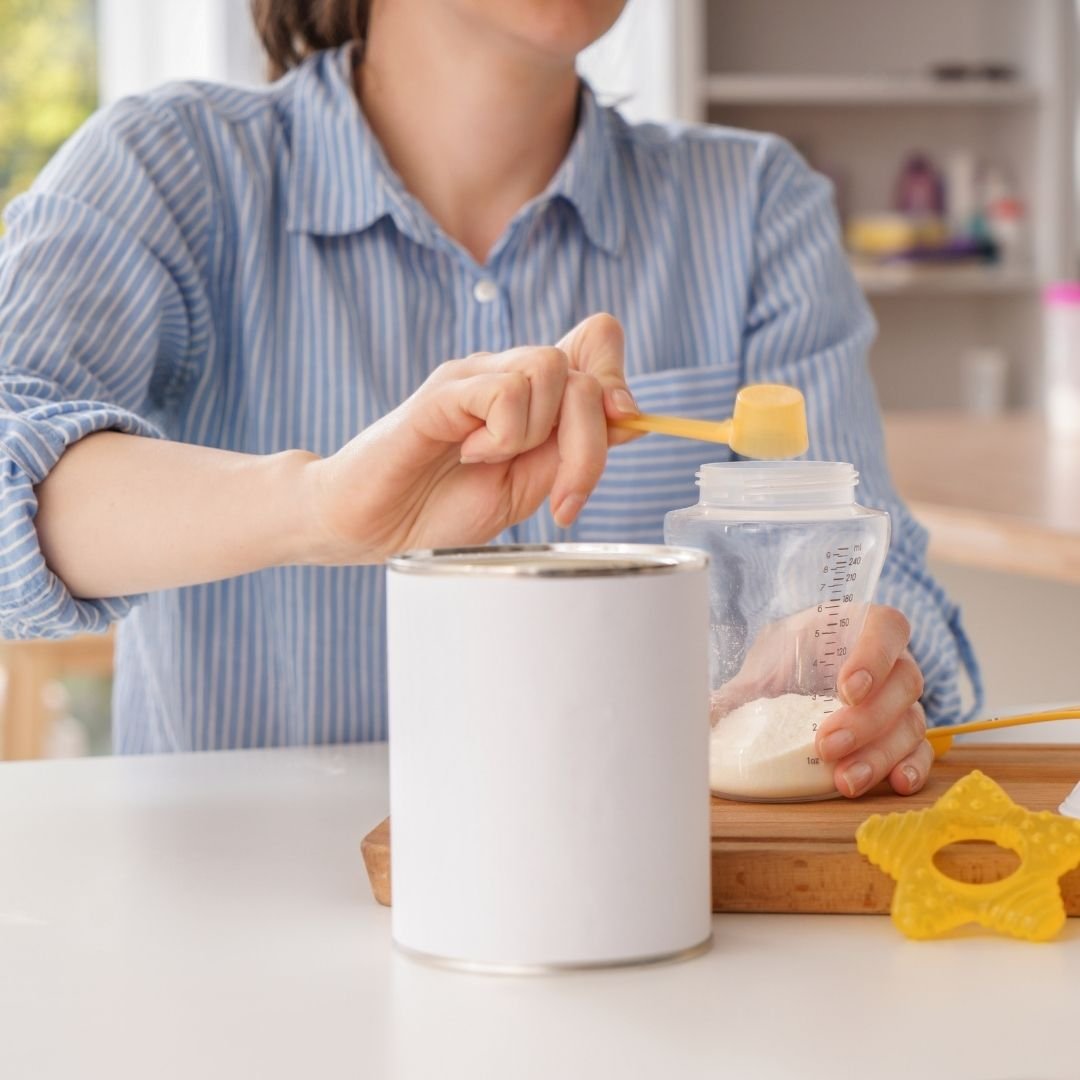
Following the baby formula recall in Spring of 2022 ago, mothers who depend on formula are now undergoing another stressful situation. Since the recall of Similac Formula, in fear of contamination by the bacteria, Cronobacter sakazakii, supply chain issues following COVID, palm oil shortages, and international trade issues in combination have created a massive lack of formula.
Sometimes, as much as we want to parent “by the book” as it were, life has other plans for us. Breastfeeding may be causing so much discomfort and stress, that in many ways, formula feeding is a better alternative. Some of us experience severe pain, cracked nipples, mastitis, or simply have to return to work and cannot find an extra thirty hours in our week to exclusively breastfeed/pump. Read on to find out about the most popular formulas on the market and the pros and cons of each.

Are you wondering how much milk your baby needs? How big is your baby’s tummy, and how much can it hold? Find these answers here, and we will show you an easy way to calculate how much milk your baby needs and how many ounces your baby should eat.

While many of us understand the benefits of breastfeeding, for some moms, exclusive breastfeeding is not always an option. In this day and age, many moms have to return to work within a few months of their baby’s birth, and being able to pump is non-negotiable. However, many moms experience difficulties with pumping and then don’t have enough milk to give to babysitters. Additionally, many moms struggle with issues such as getting their baby to latch, low milk supply, or nipple pain. For these and other reasons, the decision to supplement with formula becomes the only viable option.

There are so many reasons why a breastfeeding mom might need to add formula into the mix. Contrary to popular belief, supplementing with formula isn’t the end of the world. Doing so doesn't have to wreck your breastfeeding relationship, and you can still retain many of the benefits of breastfeeding. Read on about breastfeeding vs formula.

Spitting up during or after a feeding is common. The Mayo Clinic estimates that half of all babies spit up during the first three months, and most babies outgrow spitting up by a year. Most cases of spitting up have to do with the fact that your baby’s digestive system—specifically the muscle between their esophagus and tummy—isn’t fully mature yet, so the milk they consume is more likely to come back up.
Mama’s Feeding Stories

The best part about having a baby in the Netherlands, which goes hand in hand with their very naturalistic approach to early motherhood, is the enormous support when it comes to breastfeeding.

I always knew I wanted to breastfeed. When I envisioned motherhood, breastfeeding was an important aspect of that. My journey did not turn out the way I initially wanted, but I am proud of how far we made it and proud of my body. To understand my experience fully, let me provide some background.

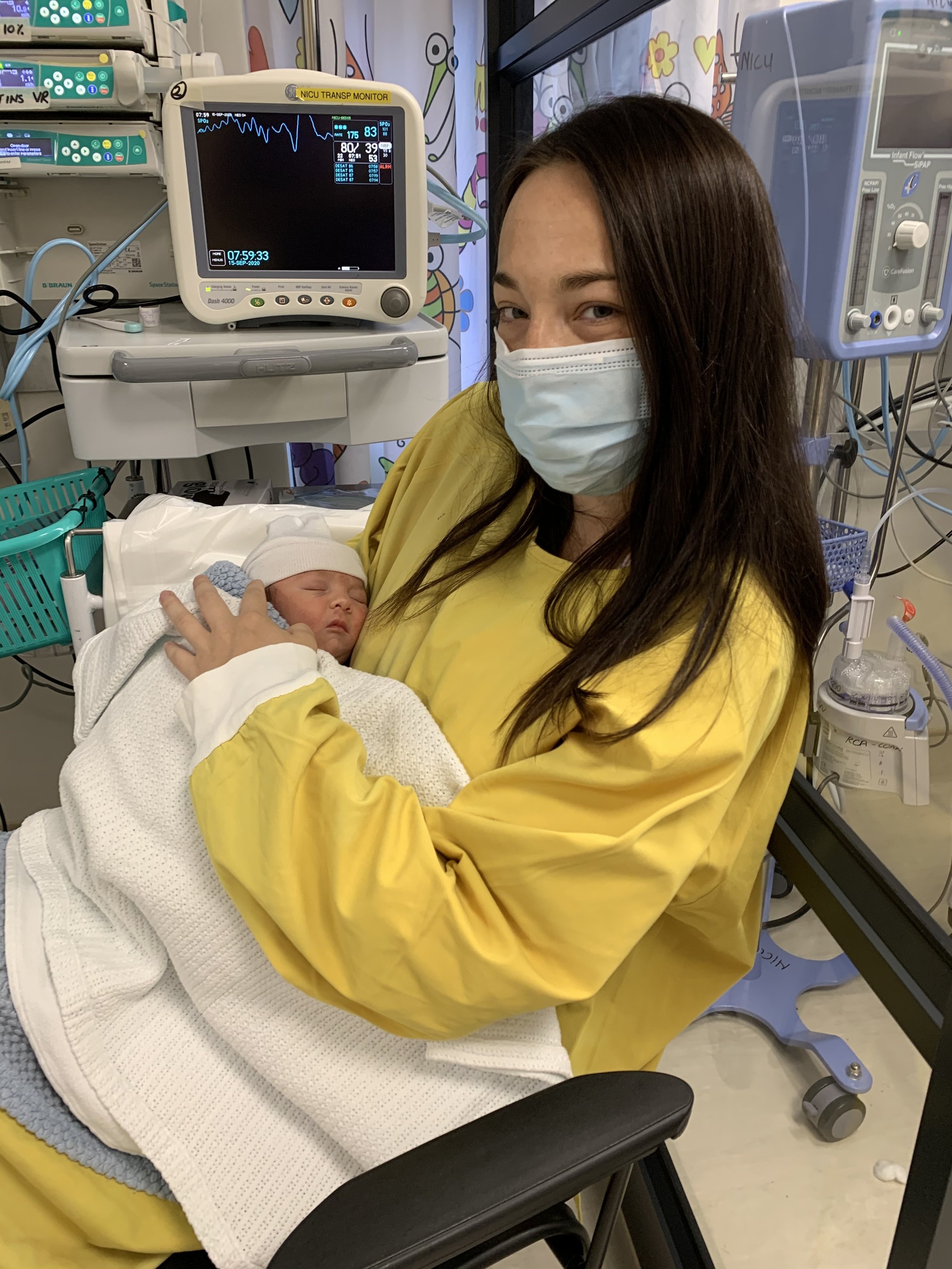
I recently gave birth to my second son, who was born at 35 weeks. In the months leading up to his birth, my prayers were for a healthy baby AND a beautiful breastfeeding journey. I was DETERMINED to breastfeed him no matter what. The journey thus far has not been easy, but worth it!

Despite her challenges, Grace remained determined to be the best mother and professional she could be. Now the mother of three, she still continues to pursue her passions for running, yoga, and weightlifting, and enjoys hobbies like SCUBA diving and collecting sea glass. Grace continued to excel in her career, using her expertise in therapeutics, medical devices, and more to make a positive impact in the biotech industry.

With little National Health System (NHS) support, I hired a private lactation consultant to visit our home and watch a feed. I will never forget the devastation I felt when we learned my son had a tight posterior tongue tie and high palate (which was missed by several healthcare professionals). No wonder he couldn’t extract milk and was so distressed at the breast!

Breastfeeding is supposed to be easy, right? Hardly! Thrush, low supply, vasospasm, tongue tie, and clogged ducts, we went through it all. And came out a year later still loving each other.

I often hear mothers think of breastfeeding as the first and primary step in taking care of their child- it establishes a sense of being a good mother or not right off the bat. However, many don’t realize that being a good mother comes from many facets beyond just a feeding plan! If you love, nurture, and care for your baby, you are indeed a good mom, no matter how you choose to feed!

For me, breastfeeding was the hardest part of becoming a mom. I wasn’t prepared for it at all. All the books I read and all the videos I watched made it seem like this blissful bonding experience for mom and baby. Until my turn came, and it just wasn’t at all.

Bad mother. The last thing any woman wants to hear. The one thing that she's trying not to be. Yet that's what I was told by my sister-in-law when I told her that I didn't know if I wanted to breastfeed. It is drilled into us as women that we are supposed to do certain things and be a certain way when we become mothers- not just by strangers and "society "but from family, friends, and other women who are supposed to be an ally and support systems.

I learned immediately after my son was born that this would not be as easy as I had imagined. My sweet boy was born with a rare condition called Bladder Exstrophy, and we didn't know anything about it until I delivered him. In short, his bladder was on the outside of his body. Doctors rushed him to NICU at a hospital an hour away immediately after I gave birth. My husband joined him, and I was left to begin this breastfeeding journey alone without my baby.

I got my women tribe and book club ladies to share and compare our breastfeeding stories. Our children are of various ages, from babies to teenagers, and some of us are stay-at-home moms, and some are working moms ranging from teachers to physios. It was an interesting collection of stories highlighting how normal breastfeeding is, with the good, the bad, and the ugly.
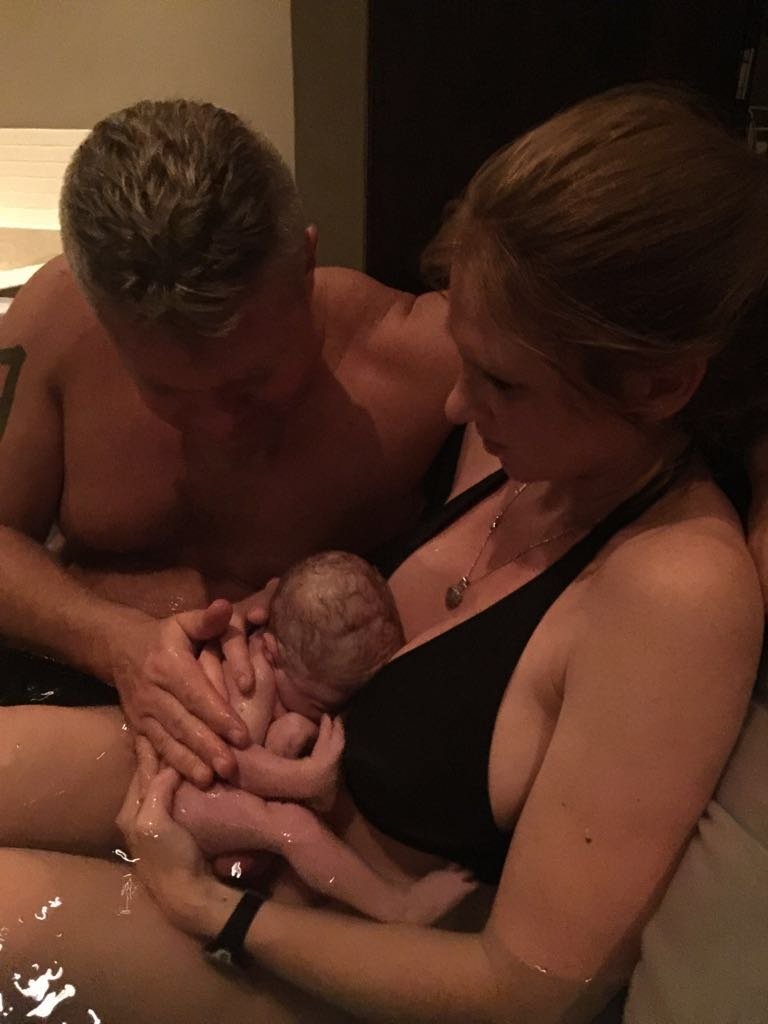
While many would say I had an almost idyllic breastfeeding journey, those early years were some of the toughest of my life. My eldest son, Tor, was born in 2012, and when I was pregnant, I read everything I could get my hands on about the birthing process. I had an easy pregnancy and wonderfully event-free water birth.

Following a STAT Primary Cesarean Section, something that upset me greatly, I was DETERMINED that my breastfeeding journey would be a success. We made it 15 months with what I now believe was a posterior tongue tie, suck blister, excessive spit-up (due to a milk allergy we only discovered after weaning), mastitis SIX times, oversupply issues, and pumping while away from my baby during my 12-hour shifts.
I promised myself that it would be different this time - that I would be calm and allow my baby to feed wherever and whenever he needed. I would avoid all that time and stress expressing and sterilizing bottles. However, our plans rarely go according to plan. Never did I imagine that the journey would be this difficult.