

Hi, I’m Laura Silvas,

RN, IBCLC
I am a Labor & Delivery Registered Nurse and an IBCLC (International Board Certified Lactation Consultant). I have worked in Labor and Delivery and Postpartum for over seven years, and have five years of lactation experience, including inpatient, outpatient, and virtual.
Most importantly, I am a wife and helicopter mom to my fun-loving 6-year-old and almost 2-year-old. I fell in love with breastfeeding after my first child. We had a rocky 15-month journey of exclusively breastfeeding, and I quickly realized how much assistance is needed for fellow mothers. I am still currently breastfeeding my second child! I am a lover of gardening, anything in the sunshine, and spending time with our little family. [Editor’s note: And coffee. Laura loves coffee.]
I love everything about motherhood and hope to help support mothers in every part of their journey to reach their breastfeeding goals.
Articles By Laura Silvas


Recently, the Academy of Breastfeeding Medicine released its protocol for “Managing Nighttime Breastfeeding in Young Infants”. Here at Leva, we are firm believers in supporting mothers, and evidence-based practice. So, what does this lengthy protocol say, and how does it apply to you?
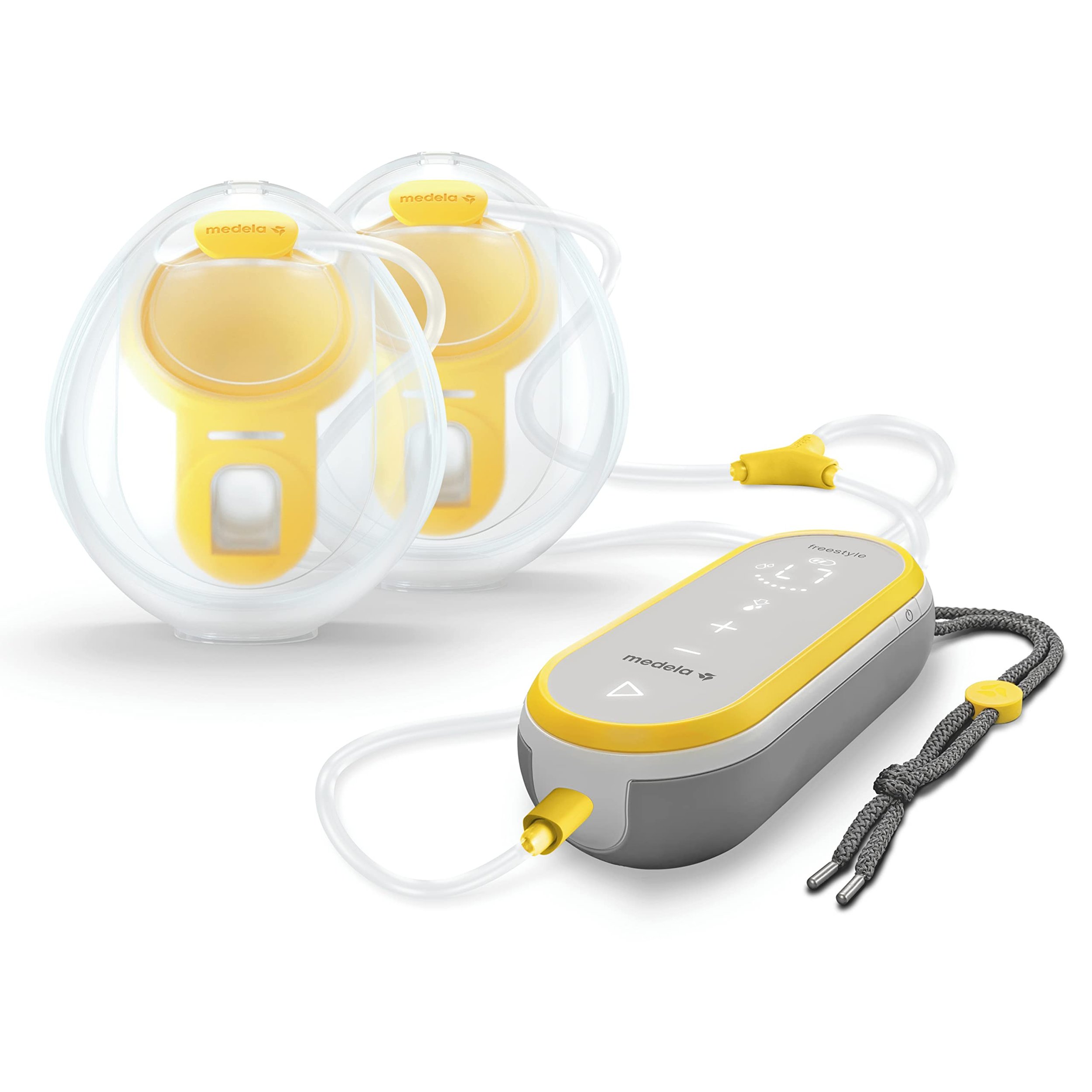
Hands-Free Breast Pumps: A Guide to the Best Options
There are many different hands-free breast pumps on the market, so it can be tough to decide which one is right for you. This article provides a guide to some of the most popular options, including the Willow, Elvie, Baby Buddha, MomCozy M5, and Medela Freestyle Hands-Free. When choosing a hands-free breast pump, it's important to consider your needs and budget. If you're looking for a discreet pump that you can use in public, the Elvie or Willow are great options. If you need a powerful pump that can help you pump a lot of milk at once, the Baby Buddha is a great choice. And if you're on a tight budget, the MomCozy M5 is a great option. No matter which hands-free breast pump you choose, make sure to do your research and read reviews before you make a purchase.
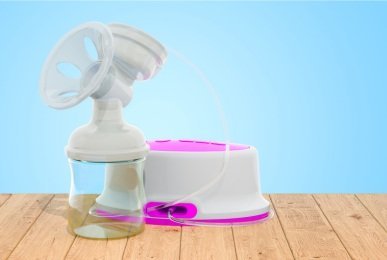
Best Breast Pumps for New Moms: A Comparison
There are many different breast pumps on the market, and it can be tough to decide which one is right for you. This article compares five of the most popular pumps, including the Medela Pump In Style, Spectra S2 Plus, Motif Luna, Evenflo Advanced Double Electric Breast Pumps, and Lansinoh Smartpump 2.0. We look at factors such as price, features, ease of use, and customer reviews to help you make the best decision for your needs.
Read on to learn more about the best breast pumps for new moms!

Breastfeeding can be as challenging as it is beneficial for mother and child, particularly in the first few weeks. One of the greatest challenges that a breastfeeding mother can face is engorgement. Most breastfeeding mothers will have experienced engorgement at some stage in their breastfeeding journeys.

Previously, mastitis was always associated with a bacterial infection. However, science has taught us that it can occur because of several factors, including ductal narrowing, inflammation, edema, disruption of the microorganisms in the milk, and bacteria. Mastitis often occurs in the first three weeks after childbirth, but may occur at any stage of lactation.

Nursing strikes, introducing solids, and spacing out feedings can all be tricky when nursing your baby. In addition, as they grow, the schedule you were accustomed to is suddenly different. So, when do you start eliminating feeds?

As a mother, this exciting and busy time of the year can be a bit anxiety-evoking or worrisome as we gather with family and friends. Often this means that we need set boundaries for our children, ensure their safety, and remind them not to upset Aunt Jo. These extra chores all add to our already-full plates.

If you've experienced anxiety or depression in the past, you may have learned coping skills and be better prepared for dealing with postpartum depression. Unfortunately, sometimes mothers who have never experienced anxiety or depression find themselves in the depths of postpartum depression when their babies arrive. It has been found that up to 80% of women experience "baby blues" postpartum.

Following a STAT Primary Cesarean Section, something that upset me greatly, I was DETERMINED that my breastfeeding journey would be a success. We made it 15 months with what I now believe was a posterior tongue tie, suck blister, excessive spit-up (due to a milk allergy we only discovered after weaning), mastitis SIX times, oversupply issues, and pumping while away from my baby during my 12-hour shifts.

It's no secret that everyone's anatomy is different. Each breast, areola, and nipple have unique characteristics. Women labeled "plus-sized," or those with larger breasts, often have concerns about their ability to breastfeed their babies. Read on to learn more about breastfeeding your baby as a plus-size.

Some women struggle to breastfeed for six months, while others hold tight beyond a year, and some moms are happy to make it long enough to return to work. Whether you set a goal for you and your baby or just went with the flow, we can all agree how disheartening it is when your baby starts weaning before you planned.

If you watched our Breastfeeding 101 Bumpinar with BenefitBump, thank you! We hope you learned something valuable to help you reach your breastfeeding goals. We know that it was quite a bit of information packed into a short session, so we had a quick Q&A at the end.

We all truly want what is best for our children. If you ask me, the biggest divider in our motherhood community is the breast vs. formula groups. With the recent shortage of formula across the US, the same question continues on social media forums, in conversations at the park, and even in the grocery store aisles, "Why can't you just breastfeed?"
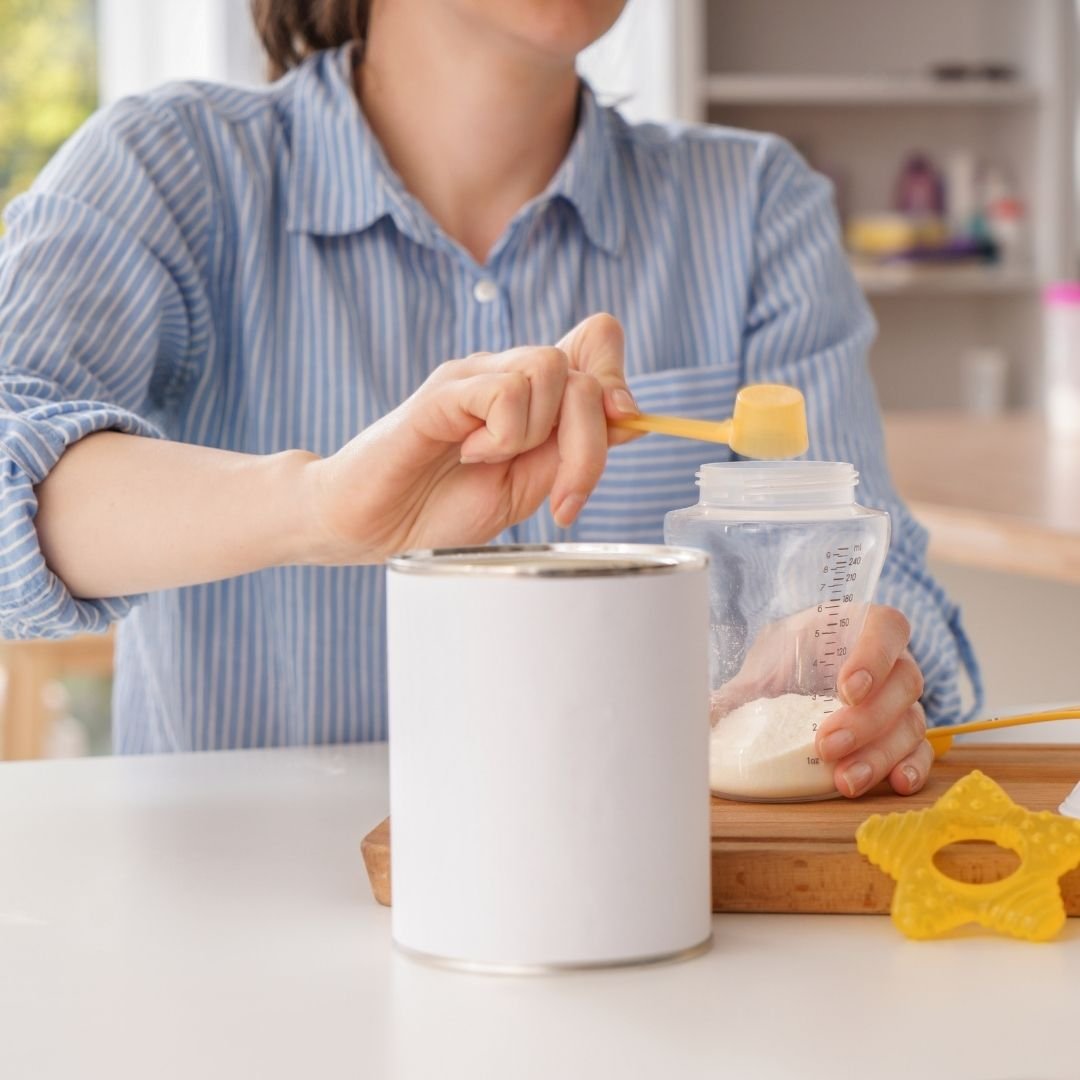
Following the baby formula recall in Spring of 2022 ago, mothers who depend on formula are now undergoing another stressful situation. Since the recall of Similac Formula, in fear of contamination by the bacteria, Cronobacter sakazakii, supply chain issues following COVID, palm oil shortages, and international trade issues in combination have created a massive lack of formula.

You grab baby, sit down in your favorite spot, and latch your baby… except they won't latch. So what in the world is happening? Not to fret, mama, whether this is the first time this has happened or a new trend that you've noticed over the past few days, we have been there personally, and we are here for you!

Pumping while away from your new baby or even pumping full time is A LOT of work. Often, there are so many questions about where to start, how to set it up, how long and often to pump, etc. Our IBCLC here at Leva, also a breastfeeding and pumping mama, has found some strategies that really work:

Whether you are pumping to increase your supply, pumping for your infant in NICU, working away from baby following maternity leave, or an exclusive pumper, knowing how to select the correct flange size can be confusing. Read on to learn more about how to select the correct flange size to optimize your milk output.

You’ve moved past the initial nipple pain from the early newborn stages, and now your bundle of joy has just cut their first tooth. This is new territory for both you and your little one, and you may be nervous about dealing with biting while breastfeeding. Read on to learn more.

Congrats! It's twins! Double the cute, double the cuddles, and double the feedings. Even if you've had a successful breastfeeding journey in the past, it's not uncommon to find yourself overwhelmed over breastfeeding two babies. Or maybe you've never breastfed before and want to be successful with both sweet babes. Scheduling and tracking breastfeeding twins can seem overwhelming in the beginning. You may have questions like: Who do I feed first? Do I feed them both at the same time? What if one doesn't latch? Read on to learn about what it takes to breastfeed twins.

According to the World Health Organization, an estimated 15 million babies are born preterm every year. If your baby was born before 37 weeks of age, they would fall into the "preterm" category. As an L&D nurse, I have witnessed 35-week babies come out thriving with no issue. On the other hand, some 37-week babies come out and need extra assistance or have trouble transitioning from utero to the outside world. Read on to learn more about breastfeeding your preterm baby.

Finally, someone gets it. One of the hardest things about pumping is being tied down. We all have unending lists of errands to complete, which becomes more stressful when you have to stop and pump for hours each day. The Willow Breast Pump has changed the game for breastfeeding mothers. Pregnant with my second child, I was given one of the best gifts I could ask for by a fellow nurse/ friend, her Willow Breast Pump. I was ecstatic. I knew that having a Willow Breast Pump meant that I could pump hands-free without being tied to a wall outlet.

If you've been online recently in search of a pumping/nursing bra, the results can be a little overwhelming. Function and comfort being at the top of the list, this usually leaves us with the frumpy, ugly styles that do nothing for our postpartum confidence. However, Cake Maternity (who doesn't love cake?!) has a solution for all of the above.

When mothers decide that they will be breastfeeding/or pumping, it often leaves their partner curious about their role. Partners may feel that they may lose that bonding time with their babies or don't know how to support the breastfeeding journey. Here at Leva, we believe that breastfeeding can be a family connection.

One challenge many mothers face, along with all the other breastfeeding issues that arise, is nipple confusion. Some professionals argue that there isn't such a thing. Some disagree and highly recommend that you wait until breastfeeding is firmly established before introducing a pacifier or bottle nipple. Read on to find out more about nipple confusion.
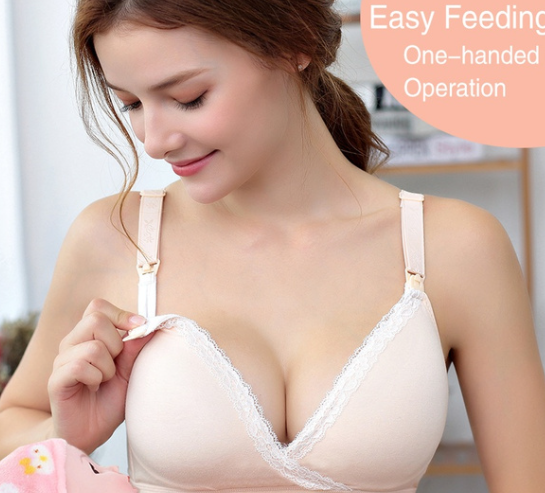
With a simple internet search, you can find hundreds of choices for bras for breastfeeding mothers. While it is encouraging to have so many options, it can also quickly become overwhelming. Underwire? Material? Size? At LEVA, we want to make your breastfeeding journey as smooth as possible, including helping you pick out a bra that works best for you.

Oversupply comes with a completely different set of issues than under-supply. Mothers may experience persistent engorgement, leaking, and discomfort. In addition to difficulty with latching and emptying, there is an increased risk of clogged ducts and mastitis. Mastitis is an infection in the milk ducts. Read on to find out more about oversupply and how to manage it.

We are all aware that breast milk is packed full of magical nutritional benefits that perfectly support your child’s development, but did you know that the composition of breast milk changes over time? Read on to find out more about the properties of breast milk and how it transforms to meet your baby’s changing needs.
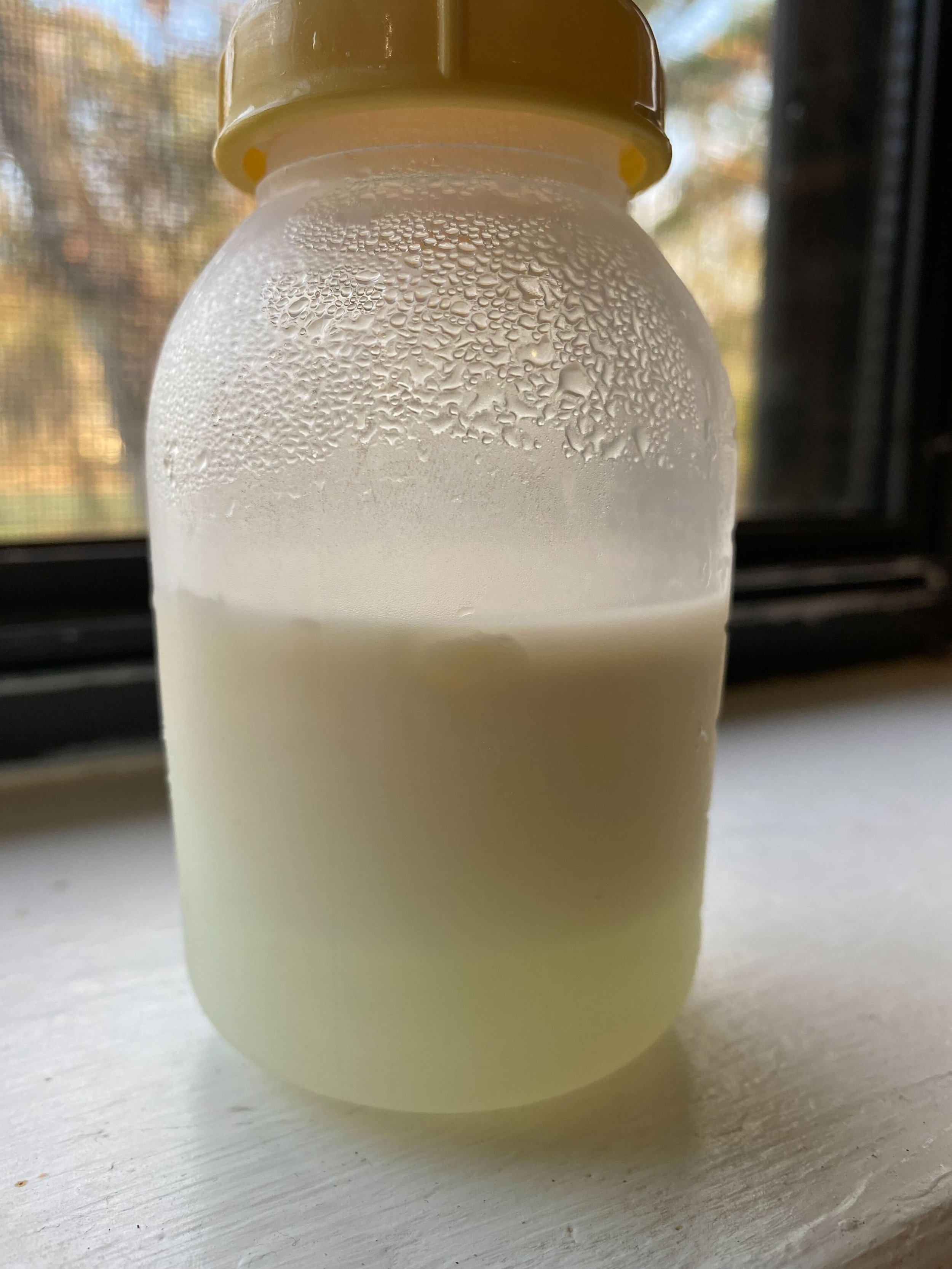
If you have ever left your pumped milk in the fridge overnight, you may have noticed the separation of the breastmilk. Rest assured, this is completely normal and expected. What you are seeing is the two types of milk that your body creates - foremilk and hindmilk.

Breastfeeding is hard work. Our days revolve around the last time we nursed/pumped, how long until the next breastfeeding/pumping session, and whether or not your baby has produced enough diapers that day. Then, when we least expect it, we wake up with a cough or catch a cold from our children. So, what do we do to protect our infant from illness?