

Hi, I’m Erica McClannahan,

RN, BSN, IBCLC
I am a practicing International Board Certified Lactation Consultant with over five years of Labor and Delivery and Postpartum nursing experience. I have assisted with over 300 newborn deliveries and have helped thousands of new parents learn how to care for their little ones!
I believe in creating space for client empowerment through informed decision-making and supporting women on their motherhood journey with gentle compassion.
Articles by Erica
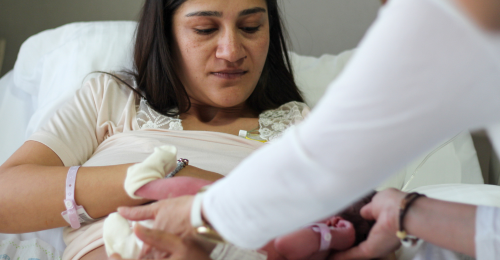
What a powerful experience for these two moms to get the bonding moments of both breastfeeding their baby even though neither one of their bodies were making milk. To them, it was their ideal feeding plan and it brought them so much joy. This story teaches us that roadblocks as major as breasts that aren't lactating don't have to stop you from having the feeding experience that means the most to you.
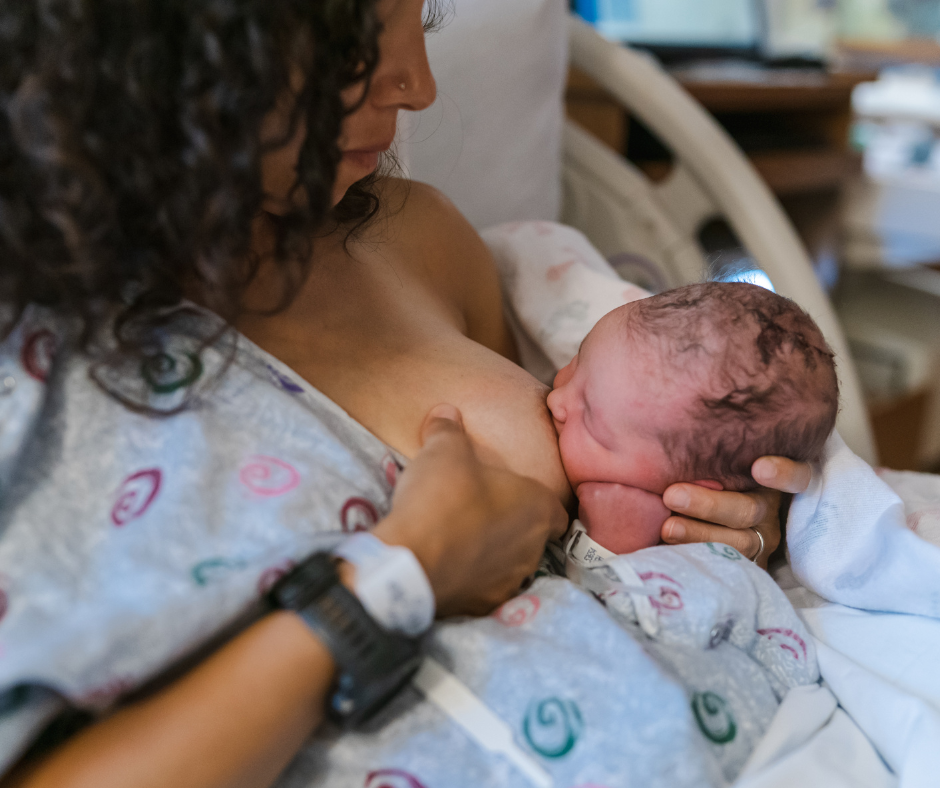
Out of the many blood tests pregnant women receive, screening for hepatitis will be one of them. This is because a woman that is infected with hepatitis may pass the viral infection to her baby during the childbirth process. Hepatitis is a liver infection that is primarily transmitted through blood exposure which can easily occur during both vaginal and cesarean births. Hepatitis A and C are considered curable and people with hepatitis B usually clear the infection on their own after a few months, but some develop a chronic case and may test positive for a lifetime.
The thought of long hours in planes, trains, and automobiles while in the midst of your breastfeeding journey can be a daunting one! From how to keep your milk cool, TSA restrictions, and the sometimes confusing list of storage guidelines to the thought of being away from your typical routine and supplies (like a refrigerator!) is enough to make some mothers shy away from travel. The good news is that there are protocols in place to protect you as a breastfeeding mother on the go, and with the right plan in place, travel is still feasible.
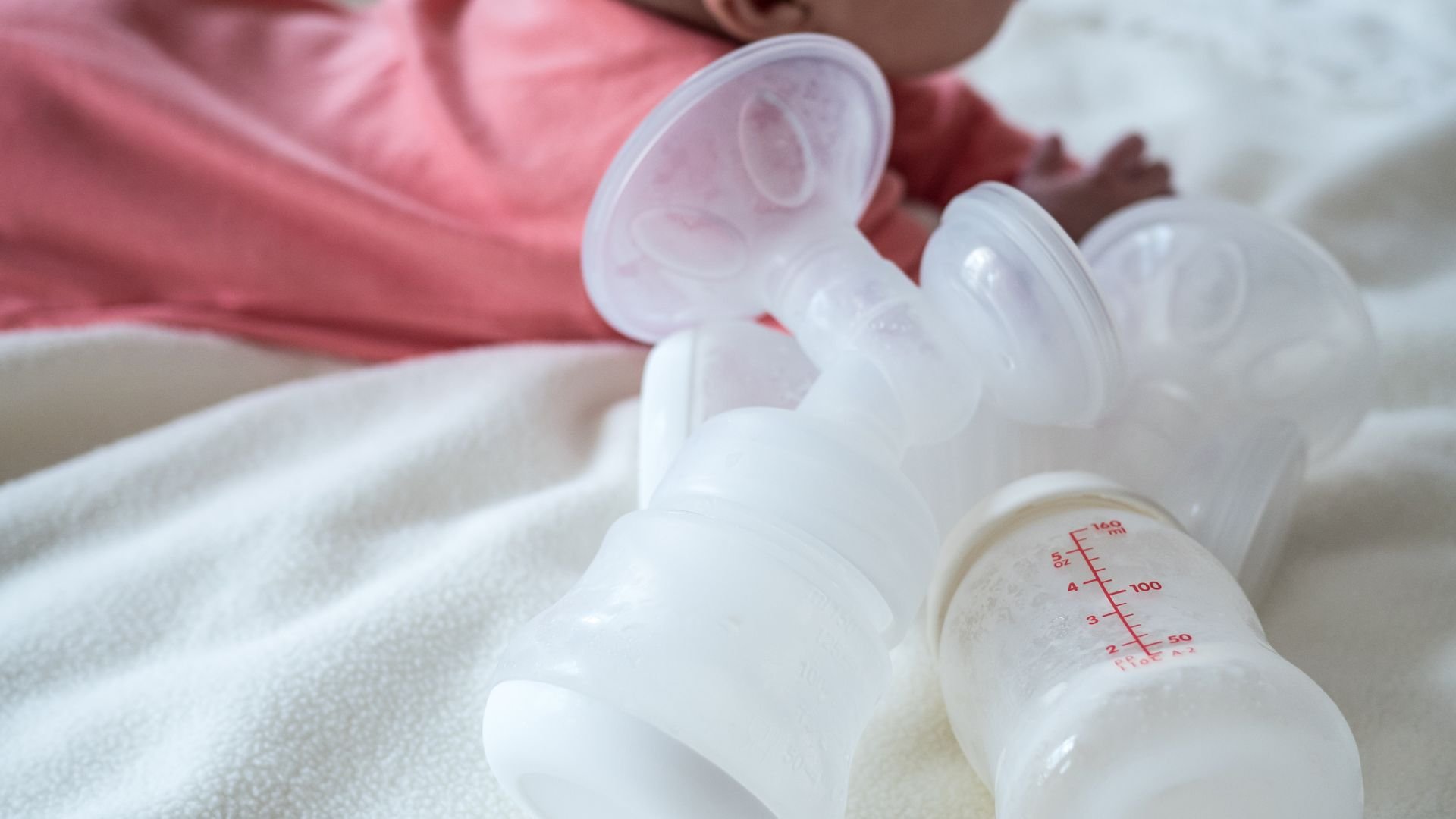
The life of any breastfeeding mom usually involves pumping at some point, whether creating a freezer stash for emergencies, providing milk when the baby is not with her, or simply so other family members can take on some feedings by bottle. This topic can feel confusing and complicated, so we have broken down some of the most common questions that arise.

It’s no secret that most moms say that the actual act of breastfeeding is much more challenging than they originally anticipated. According to the CDC, 83% of parents intend to breastfeed their babies when they are born, but only 24% of mothers manage to exclusively breastfeed their babies by the six-month mark.
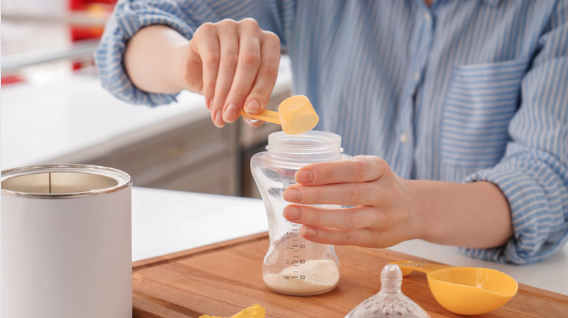
It can be confusing to navigate all the changes your baby quickly goes through in what seems like the blink of an eye! They grow and develop so fast, even when we wish they would stay little, just a tiny bit longer! One of the big milestones they will experience is the transition away from bottles and formula toward regular foods.
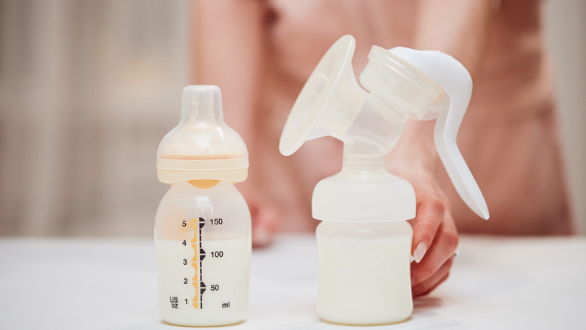
Pumping is a part of pretty much every breastfeeding mom's routine, whether that occurs on a daily basis at work, to boost supply, or just to create an emergency stockpile for the freezer. Since our schedules are already busy enough, every mom hopes to be as effective as possible with pumping efforts to get the most bang for her buck! So what are the things we can do to get the most milk volume when pumping?
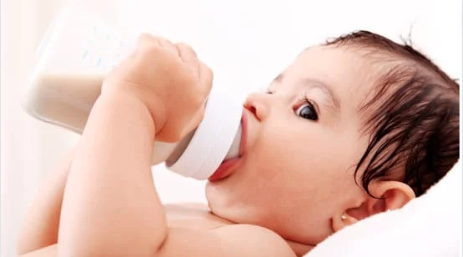
I often hear mothers think of breastfeeding as the first and primary step in taking care of their child- it establishes a sense of being a good mother or not right off the bat. However, many don’t realize that being a good mother comes from many facets beyond just a feeding plan! If you love, nurture, and care for your baby, you are indeed a good mom, no matter how you choose to feed!

I recently worked with a mom in the hospital who let me know right off the bat that she wanted to avoid bottles at all costs in the first few weeks. This is a general recommendation that I offer to all my clients since introducing the bottle before breastfeeding is well established can lead to a bottle preference and issues latching at the breast.

I recently worked with a first-time mom who delivered her twin girls at 35 weeks - 5 weeks early! It’s common for twins to come a little early, and sometimes they take a trip to the NICU, but not these girls! They got to stay with mom the entire 4 days they were in the hospital after their c-section delivery.